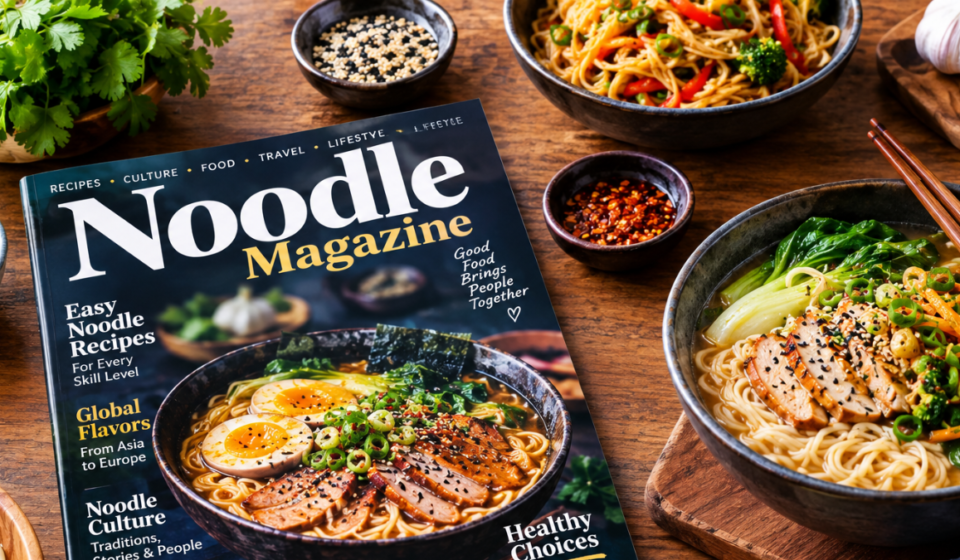

Noodle magazine is an interesting concept for anyone who loves noodles, food culture, cooking, and creative culinary ideas. Noodles are enjoyed in many parts of the world, from the busy streets of Asia to modern restaurants and home kitchens. They come in countless shapes, flavors, textures, and styles, making them one of the most flexible foods in global cuisine.
A magazine focused on noodles can bring together recipes, cooking advice, restaurant stories, food traditions, interviews, and helpful information about ingredients. Whether you’re a beginner learning to cook, a food enthusiast searching for new flavors, or someone who simply enjoys a warm bowl of noodles, a noodle-themed publication can offer something useful and enjoyable.
This article explores the meaning and possible uses of noodle magazine, the history of noodles, popular varieties, cooking techniques, nutrition, food culture, and the ways a noodle-focused publication can educate and inspire readers.
What Is Noodle Magazine?
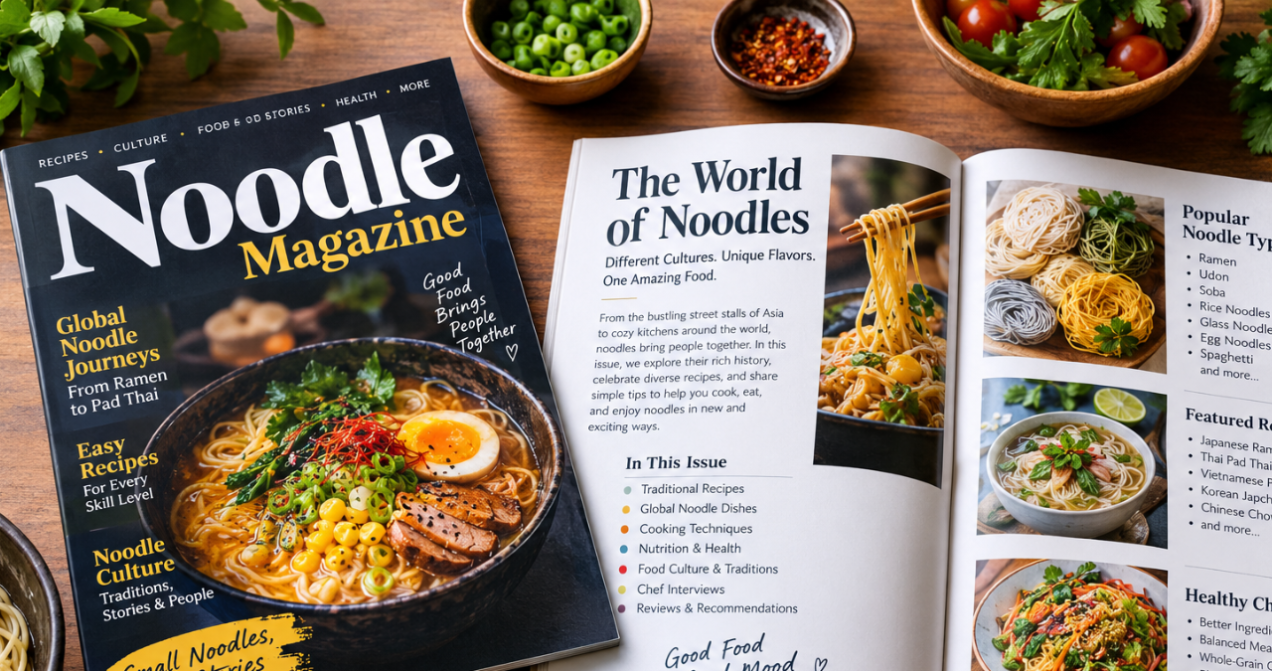
The phrase noodle magazine can refer to a food publication, online magazine, blog, or digital platform dedicated to noodles and noodle-related topics. Depending on the publication, it may cover traditional recipes, modern cooking trends, restaurant reviews, food photography, and stories about the people who make and enjoy noodles.
A noodle magazine doesn’t have to focus on just one country or one type of dish. Noodles are part of many food traditions, so the subject offers a wide range of possibilities. One article might explain how to prepare Japanese ramen, while another could explore Italian pasta, Chinese hand-pulled noodles, or Southeast Asian rice noodles.
A well-designed publication may include several types of content:
- Traditional and modern noodle recipes.
- Guides to noodle ingredients.
- Cooking techniques for beginners.
- Interviews with chefs and food experts.
- Restaurant and street-food features.
- Information about food history and culture.
- Advice on selecting sauces, vegetables, and proteins.
- Nutrition information and portion guidance.
- Food photography and creative presentation ideas.
- Reviews of noodle products and cooking tools.
The exact meaning of the term depends on the website, publication, or brand using it. If you’re looking for a particular noodle magazine online, it’s important to check its official name, website, and published content.
The Rich History of Noodles
Noodles have a long and fascinating history. Although their exact origins and development are discussed by historians, archaeological evidence shows that noodle-like foods have been prepared for thousands of years.
One important discovery was made in China, where researchers found ancient noodles preserved at an archaeological site. This discovery provided evidence that people in the region were preparing noodle-like foods more than four thousand years ago.
Over time, different communities developed their own methods of making noodles. Local ingredients, climate, farming practices, and cultural traditions influenced the way noodles were prepared and served.
For example, wheat-based noodles became important in many parts of China and other regions of Asia. Rice noodles developed into essential ingredients in several Southeast Asian cuisines. In Italy, pasta became a major part of the national food tradition, with many shapes and preparation methods.
It’s worth remembering that noodles and pasta share similarities but aren’t always identical in ingredients or preparation. Different cultures created their own food traditions, and these traditions continue to evolve.
How Noodles Spread Across Cultures
Trade, travel, migration, and cultural exchange helped noodle dishes become popular in different parts of the world.
As people moved between regions, they brought cooking methods and ingredients with them. Local cooks then adapted those methods to suit their own tastes and available foods.
This process created many unique dishes, including:
- Chinese chow mein.
- Japanese ramen.
- Japanese udon.
- Japanese soba.
- Korean japchae.
- Vietnamese pho.
- Thai pad Thai.
- Indonesian mie goreng.
- Filipino pancit.
- Italian spaghetti.
- Central Asian laghman.
Each dish has its own identity. Some noodles are served in soup, while others are stir-fried, mixed with sauces, or served with vegetables and meat.
A noodle magazine can help readers understand these differences and appreciate the cultural background behind each dish.
Why Noodles Are Popular Around the World
Noodles are popular for several practical and cultural reasons. They’re often affordable, easy to store, quick to prepare, and suitable for many different ingredients.
A simple packet of noodles can become a complete meal when combined with vegetables, eggs, tofu, chicken, seafood, or beans. A more traditional preparation may require special ingredients and careful cooking techniques.
Convenience and Flexibility
One of the biggest advantages of noodles is their flexibility. They can be prepared in a variety of ways, depending on the type of noodle and the recipe.
For example:
- Boiled noodles can be served with a simple sauce.
- Stir-fried noodles can be combined with vegetables and protein.
- Noodles can be added to soups and broths.
- Cold noodles can be served with refreshing dressings.
- Baked noodle dishes can create hearty family meals.
- Fresh noodles can be used in traditional regional recipes.
This flexibility makes noodles useful for both quick meals and special occasions.
Comfort and Familiarity
For many people, noodles are connected with home cooking, family gatherings, celebrations, or childhood memories. A bowl of soup noodles may remind someone of a favorite restaurant, while a homemade noodle dish may bring back memories of family meals.
Food publications often explore these emotional connections because food isn’t just about ingredients. It’s also about memories, people, and traditions.
Popular Types of Noodles
There are many varieties of noodles, and each has different characteristics. The ingredients, thickness, texture, and preparation method can affect how a noodle tastes and behaves during cooking.
| Noodle Type | Common Ingredients | Popular Uses |
|---|---|---|
| Ramen noodles | Usually wheat flour | Soups and quick noodle meals |
| Udon | Wheat flour | Thick soups and stir-fries |
| Soba | Buckwheat, often mixed with wheat | Hot or cold noodle dishes |
| Rice noodles | Rice flour and water | Pho, stir-fries, and salads |
| Glass noodles | Often starch from mung beans or other plants | Soups, salads, and stir-fries |
| Egg noodles | Wheat flour and eggs | Soups, stir-fries, and pasta-style dishes |
| Somen | Wheat flour | Light Japanese noodle dishes |
| Spaghetti | Durum wheat semolina and water | Italian pasta dishes |
| Laghman noodles | Usually wheat flour | Central Asian noodle meals |
| Instant noodles | Processed wheat or other noodle ingredients | Fast and convenient meals |
Wheat Noodles
Wheat noodles are common in many Asian and European food traditions. They can be thin, thick, soft, chewy, or firm.
Their texture depends on the ingredients, dough preparation, shaping, and cooking method. Some wheat noodles are made by rolling and cutting dough, while others are stretched by hand.
Wheat noodles are often used in:
- Ramen.
- Udon.
- Chow mein.
- Lo mein.
- Stir-fried noodle dishes.
- Various pasta preparations.
Rice Noodles
Rice noodles are made primarily from rice flour and water. They are especially common in Southeast Asian cuisines.
Some rice noodles are very thin, while others are wide and flat. They may be used in soups, salads, stir-fries, and fresh spring rolls.
Rice noodles are often appreciated for their delicate texture and ability to absorb sauces and broths.
Glass Noodles
Glass noodles are usually made from starch, such as mung bean starch, sweet potato starch, or other plant-based starches. They become translucent after cooking, which gives them their familiar appearance.
They are frequently used in:
- Asian soups.
- Cold noodle salads.
- Stir-fried dishes.
- Dumpling fillings.
- Hot pots.
Because glass noodles can absorb liquid easily, it’s important to prepare them according to the instructions for the particular variety.
Egg Noodles
Egg noodles contain eggs along with flour and liquid. They often have a rich color and a slightly firm texture.
They’re used in many dishes, including soups, stir-fries, and baked meals. Their flavor and texture make them a favorite for people who enjoy hearty noodle dishes.
Traditional Noodle Dishes Worth Exploring
A publication about noodles can introduce readers to traditional dishes from many countries. These recipes are more than simple meals. They often reflect local history, ingredients, and cooking practices.
Japanese Ramen
Ramen is a Japanese noodle dish that usually includes wheat noodles served in broth. The broth may be based on ingredients such as meat, seafood, vegetables, miso, or soy sauce.
Common toppings include:
- Sliced meat.
- Boiled eggs.
- Green onions.
- Seaweed.
- Bamboo shoots.
- Mushrooms.
- Corn.
Ramen has many regional styles. Some versions have a rich, creamy broth, while others are lighter and clearer.
A noodle magazine might explore the differences between ramen styles and explain how broth, noodles, and toppings work together.
Chinese Chow Mein
Chow mein is a popular Chinese-style noodle dish that commonly features noodles cooked with vegetables, seasonings, and optional meat or seafood.
The cooking process often involves high heat and quick movement in a wok or large pan. This technique helps combine the ingredients while preserving some of the texture of the vegetables.
Typical ingredients include:
- Wheat noodles.
- Cabbage.
- Carrots.
- Bean sprouts.
- Onions.
- Soy sauce.
- Garlic.
- Chicken, beef, tofu, or shrimp.
Recipes vary considerably by region, restaurant, and household.
Thai Pad Thai
Pad Thai is a famous Thai stir-fried noodle dish commonly made with rice noodles. It often includes a balance of sweet, salty, sour, and savory flavors.
Ingredients may include:
- Rice noodles.
- Tamarind-based sauce.
- Fish sauce or an alternative seasoning.
- Eggs.
- Bean sprouts.
- Peanuts.
- Tofu.
- Shrimp or chicken.
Fresh lime juice and crushed peanuts are often served with the dish. The combination of textures and flavors makes Pad Thai a popular choice for people exploring Thai cuisine.
Vietnamese Pho
Pho is a Vietnamese noodle soup traditionally made with rice noodles and a flavorful broth. It often includes beef or chicken, herbs, and fresh garnishes.
Common additions include:
- Rice noodles.
- Fresh herbs.
- Green onions.
- Bean sprouts.
- Lime.
- Sliced meat.
- Spices.
Pho is known for its fragrant broth and balanced ingredients. The preparation of the broth can be an important part of the dish.
Korean Japchae
Japchae is a Korean dish made with glass noodles, vegetables, and seasonings. It often includes sesame oil, soy sauce, mushrooms, spinach, carrots, and other ingredients.
The noodles have a soft, springy texture and absorb the flavors of the sauce.
Japchae may be served as a side dish or as part of a larger meal. It is also associated with celebrations and special gatherings in Korean food culture.
How to Choose the Right Noodles
Choosing the right noodles can make a big difference in the final dish. Different recipes require different textures and cooking methods.
Before buying noodles, consider the following factors.
Think About the Recipe
The recipe should guide your choice. For example, thin rice noodles may work well in certain soups and salads, while thick wheat noodles may be more suitable for hearty stir-fries.
Using the wrong type of noodle doesn’t always ruin a meal, but it can change the texture and cooking time.
Check the Ingredients
Read the ingredient label carefully. Some noodles contain wheat, eggs, or other ingredients that may not suit everyone’s dietary needs.
People with food allergies should pay special attention to labels and preparation conditions.
Consider Fresh or Dried Noodles
Fresh noodles often have a softer texture and shorter cooking time. Dried noodles are usually easier to store and may be convenient for regular home cooking.
Neither option is automatically better. The best choice depends on the recipe, availability, and personal preference.
Pay Attention to Thickness
Thicker noodles generally take longer to cook than thinner varieties. They may also create a chewier texture.
Thin noodles often cook quickly and work well in lighter dishes. Always follow the cooking instructions on the package.
Essential Noodle Cooking Techniques
Cooking noodles successfully requires attention to water, timing, temperature, and texture. Fortunately, most techniques are easy to learn with practice.
Boiling Noodles Properly
Boiling is one of the most common ways to cook noodles.
A basic method includes:
- Bring enough water to a boil.
- Add the noodles according to the package instructions.
- Stir gently to prevent sticking.
- Cook until the noodles reach the desired texture.
- Drain carefully.
- Use immediately or cool them according to the recipe.
Different noodles require different cooking times. Rice noodles, fresh noodles, dried wheat noodles, and instant noodles should not all be treated in exactly the same way.
Stir-Frying Noodles
Stir-frying is popular because it combines noodles with vegetables, sauces, and protein in one pan.
For a successful stir-fry:
- Prepare all ingredients before heating the pan.
- Cook meat or tofu thoroughly.
- Add vegetables according to their cooking times.
- Use enough oil to prevent sticking.
- Add the noodles at the appropriate stage.
- Mix the sauce evenly.
- Avoid overcrowding the pan.
High heat can help create a pleasant texture, but it also requires attention. Ingredients can burn quickly if left unattended.
Making Noodle Soup
Noodle soups often depend on the quality of the broth. A good broth may be prepared with vegetables, meat, seafood, mushrooms, herbs, or seasonings.
The noodles may be cooked separately and added to the broth later. This approach can help prevent them from becoming too soft, especially when the soup will be stored or served later.
A noodle magazine can provide step-by-step guides for making simple broths at home.
Sauces and Seasonings That Bring Noodles to Life
Noodles have a mild flavor, which makes them excellent at absorbing sauces and seasonings.
The right sauce can change a simple noodle dish into something memorable.
Soy-Based Sauces
Soy sauce is widely used in Asian cooking. It provides saltiness and a deep savory flavor.
It can be combined with:
- Garlic.
- Ginger.
- Sesame oil.
- Chili.
- Rice vinegar.
- Honey or another sweetener.
- Green onions.
Because soy sauce can be salty, it’s wise to add it gradually and taste the dish as you go.
Peanut-Based Sauces
Peanut sauces can add creaminess, richness, and a nutty flavor. They may include peanut butter, soy sauce, lime juice, garlic, and chili.
These sauces work well with cold noodles, salads, and stir-fried dishes.
People with peanut allergies should avoid peanut-based sauces and check ingredient labels carefully.
Tomato-Based Sauces
Tomato-based sauces are common in Italian pasta dishes. They can be prepared with tomatoes, garlic, onions, herbs, and olive oil.
A simple tomato sauce can be combined with spaghetti, penne, or other pasta shapes.
Spicy Sauces
Chili oil, chili paste, and hot pepper sauces can add heat and flavor. However, the amount of spice should match the preferences of the people eating the meal.
A good noodle dish doesn’t have to be extremely spicy. Balance is often more important than intensity.
Nutrition and Health Considerations
Noodles can be part of a balanced diet, but their nutritional value depends on the type of noodle, portion size, and accompanying ingredients.
Some noodle dishes contain vegetables, lean protein, and healthy fats. Others may be high in sodium, saturated fat, or calories because of the sauce and toppings.
Choosing More Balanced Noodle Meals
To make a noodle meal more balanced, consider adding a variety of ingredients.
Helpful options include:
- Leafy green vegetables.
- Carrots.
- Bell peppers.
- Mushrooms.
- Broccoli.
- Beans.
- Lentils.
- Tofu.
- Eggs.
- Fish.
- Chicken.
- Nuts and seeds, when suitable.
Adding vegetables and protein can improve the overall variety of nutrients in the meal.
Understanding Instant Noodles
Instant noodles are convenient and widely available. They can be prepared quickly, which makes them useful when time is limited.
However, some instant noodle products contain large amounts of sodium. Certain varieties may also provide limited protein and fiber when eaten alone.
You can improve an instant noodle meal by adding vegetables, eggs, tofu, or another protein source. Using less of the seasoning packet may also reduce the amount of sodium, depending on the product.
It’s important to read the nutrition label rather than assuming every instant noodle product has the same nutritional content.
Whole-Grain and Alternative Noodles
Some noodles are made with whole grains or alternative ingredients such as buckwheat, legumes, or vegetables.
These varieties may provide different amounts of fiber, protein, and other nutrients. Their nutritional value depends on the ingredients and processing methods.
For people with specific dietary requirements, checking the label is essential.
Noodle Magazine as a Source of Cooking Inspiration
A good noodle magazine can encourage readers to try new recipes and cooking methods. It can also make cooking feel less complicated.
For beginners, clear instructions and practical advice can be especially helpful.
A useful article might explain how to prepare a basic noodle dish using ingredients already available in the kitchen.
For example, a simple vegetable noodle recipe may include:
- Cooked noodles.
- Carrots.
- Cabbage.
- Garlic.
- Green onions.
- Soy sauce.
- A small amount of cooking oil.
- Optional tofu or egg.
The ingredients can be adjusted according to taste and availability.
A magazine can also introduce readers to more advanced techniques, such as making fresh noodles by hand or preparing a traditional broth.
The Importance of Food Photography
Food photography plays a major role in modern food magazines and websites. Attractive photographs can help readers understand what a finished dish should look like.
Good noodle photography often focuses on:
- The texture of the noodles.
- The color of vegetables.
- The appearance of sauces.
- Steam rising from a hot bowl.
- Fresh herbs and garnishes.
- The arrangement of ingredients.
- The use of natural lighting.
Photographs can also show important cooking stages. For example, a recipe may include images of the dough, prepared noodles, cooking process, and final presentation.
Clear images are especially useful when a recipe involves unfamiliar ingredients or techniques.
Noodle Magazine and Food Culture
Food is closely connected to culture, identity, family, and tradition. Noodles provide an excellent way to explore these connections.
A noodle-focused publication can tell stories about family recipes, local markets, traditional restaurants, and regional food customs.
Family Recipes
Many noodle dishes are prepared differently from one family to another. One household may use a particular spice blend, while another may prefer a different sauce or cooking method.
These variations are part of the richness of food culture.
A magazine can invite readers to share their family recipes and explain why those recipes are meaningful to them.
Street Food Traditions
Noodles are common in street-food markets around the world. Street vendors often develop specialized cooking techniques that allow them to prepare meals quickly while maintaining flavor.
Articles about noodle street food may explore:
- Local ingredients.
- Traditional cooking tools.
- Popular market locations.
- Regional flavors.
- Food preparation methods.
- The history of famous dishes.
Such stories can help readers understand how food traditions develop within communities.
Regional Ingredients
Different regions use different ingredients based on their climate, agriculture, and trade connections.
For example, coastal areas may use seafood, while farming communities may rely more heavily on vegetables, grains, and local herbs.
A noodle magazine can explain how these ingredients influence the flavor and identity of regional dishes.
How to Create a Noodle Magazine
Creating a noodle magazine can be an exciting project for food writers, chefs, photographers, or content creators.
A successful publication should have a clear purpose and a consistent style.
Choose a Target Audience
Before creating content, decide who the publication is intended for.
Possible audiences include:
- Beginner home cooks.
- Professional chefs.
- Food bloggers.
- Restaurant owners.
- Students.
- Families.
- International food enthusiasts.
- People interested in food history.
Understanding the audience helps determine the writing style, recipe difficulty, and subject matter.
Develop Useful Content Categories
A strong publication may organize content into clear categories.
| Category | Example Content |
|---|---|
| Recipes | Easy noodle meals and traditional dishes |
| Cooking Tips | Boiling, stir-frying, and sauce preparation |
| Food Culture | History and regional noodle traditions |
| Restaurant Features | Interviews and restaurant stories |
| Nutrition | Ingredient information and balanced meals |
| Ingredients | Guides to sauces, spices, and noodles |
| Reviews | Noodle products and kitchen equipment |
| Photography | Food styling and recipe images |
| Interviews | Conversations with chefs and food creators |
These categories make the publication easier to navigate.
Write Clear and Trustworthy Articles
Readers appreciate content that is accurate, practical, and easy to understand.
A reliable noodle magazine should:
- Use clear language.
- Explain unfamiliar ingredients.
- Avoid unsupported health claims.
- Provide realistic cooking instructions.
- Identify recipe sources when appropriate.
- Check measurements carefully.
- Explain food safety practices.
- Update outdated information.
- Distinguish personal opinions from verified facts.
Trust is especially important when discussing nutrition, allergies, and food preparation.
Digital Noodle Magazine and Online Food Communities
Modern food publications often exist online rather than in print. Digital platforms allow readers to access recipes, photographs, videos, and articles from almost anywhere.
An online noodle magazine may include interactive features such as:
- Recipe search tools.
- Printable cooking instructions.
- Short cooking videos.
- Ingredient substitution guides.
- Reader comments.
- Newsletter subscriptions.
- Social media updates.
- Cooking challenges.
- Downloadable recipe cards.
Digital content can also be updated more quickly than traditional print publications.
For example, a recipe can be improved after readers report that a cooking time needs adjustment.
The Role of Social Media
Social media has helped noodle dishes reach wider audiences. Food creators often share short videos showing noodle preparation, sauce mixing, and final presentation.
These videos can introduce viewers to unfamiliar dishes and encourage them to try cooking at home.
However, not every online recipe is tested or accurate. Readers should consider the source and use their judgment when following cooking advice.
Common Mistakes When Preparing Noodles
Even simple noodle dishes can go wrong. Fortunately, many common mistakes are easy to avoid.
Overcooking the Noodles
Overcooked noodles may become soft, sticky, or mushy. The cooking time depends on the type of noodle.
Always follow the package instructions and check the texture before draining.
Using Too Little Water
Some noodles need plenty of water to cook evenly. Too little water may cause sticking or uneven cooking.
Use an appropriately sized pot and enough water for the amount of noodles being prepared.
Adding Too Much Sauce
Too much sauce can overpower the noodles and make the dish heavy.
Start with a small amount and add more if needed.
Ignoring Food Safety
Raw meat, eggs, seafood, and certain sauces require careful handling. Keep raw ingredients separate from cooked food, wash hands, and cook ingredients to safe temperatures.
Leftovers should be stored properly and refrigerated promptly.
Forgetting Texture
Texture is a major part of the noodle experience. Some dishes require springy noodles, while others work better with soft noodles.
Choose the noodle type carefully and avoid cooking it longer than necessary.
Noodle Magazine and Sustainable Food Choices
Sustainability is becoming an important topic in food writing. A noodle magazine can help readers think about food waste, packaging, ingredients, and responsible cooking.
Some practical ideas include:
- Using leftover vegetables in noodle dishes.
- Choosing ingredients that are available locally.
- Storing dry noodles properly.
- Avoiding unnecessary food waste.
- Reusing suitable leftovers safely.
- Selecting products with reasonable packaging.
- Planning meals before shopping.
Sustainable cooking doesn’t require perfection. Small changes can make a difference over time.
A publication can also discuss how food production, transportation, and packaging affect the environment without making exaggerated claims.
The Future of Noodle Magazine
The future of noodle-focused food content is likely to include a mixture of traditional cooking knowledge and modern digital experiences.
Readers increasingly want practical recipes, attractive photographs, short videos, and reliable information. At the same time, interest in traditional food cultures remains strong.
Future noodle publications may explore:
- Plant-based noodle recipes.
- Gluten-free alternatives.
- Regional noodle histories.
- Creative fusion dishes.
- Home noodle-making techniques.
- Sustainable ingredients.
- Interactive cooking lessons.
- Digital recipe collections.
- Food photography and video storytelling.
- Interviews with chefs from different countries.
Technology may also make it easier for readers to personalize recipes according to their available ingredients, cooking skills, and dietary preferences.
Even as food trends change, the basic appeal of noodles is likely to remain strong. They’re versatile, familiar, and capable of bringing people together around a shared meal.
Frequently Asked Questions About Noodle Magazine
What does noodle magazine mean?
Noodle magazine generally refers to a publication or online platform focused on noodles, recipes, cooking techniques, food culture, and related topics. The exact meaning depends on the specific publication or website.
What topics can a noodle magazine cover?
A noodle magazine can cover recipes, noodle history, restaurant stories, food photography, nutrition, ingredients, cooking methods, and interviews with chefs.
Are noodles healthy?
Noodles can be part of a balanced diet. Their nutritional value depends on the ingredients, portion size, preparation method, and accompanying foods. Adding vegetables and protein can create a more balanced meal.
What are the most popular types of noodles?
Popular varieties include ramen, udon, soba, rice noodles, glass noodles, egg noodles, spaghetti, and many regional varieties.
Can beginners learn to cook noodles through a magazine?
Yes. A well-written publication can provide step-by-step recipes, ingredient explanations, cooking tips, and troubleshooting advice for beginners.
How can I start my own noodle magazine?
Start by choosing a target audience, developing content categories, researching recipes, preparing useful articles, and creating attractive photographs. You can publish through a website, blog, newsletter, or printed magazine.
Why are noodles important in food culture?
Noodles are connected to history, regional ingredients, family traditions, celebrations, and everyday meals. They offer a useful way to explore the food customs of different communities.
Final Thoughts on Noodle Magazine
Noodle magazine represents an engaging way to explore the many sides of noodles, from traditional recipes and cooking techniques to food history, nutrition, photography, and global culinary culture. Noodles are much more than a quick meal. They reflect creativity, tradition, and the changing tastes of people around the world.
Whether you’re interested in learning how to prepare a new dish, discovering regional food traditions, or creating a food publication of your own, the world of noodles offers plenty of opportunities. With reliable information, practical recipes, and a spirit of curiosity, noodle magazine can inspire readers to cook, learn, and enjoy the wonderful variety of noodle-based foods.