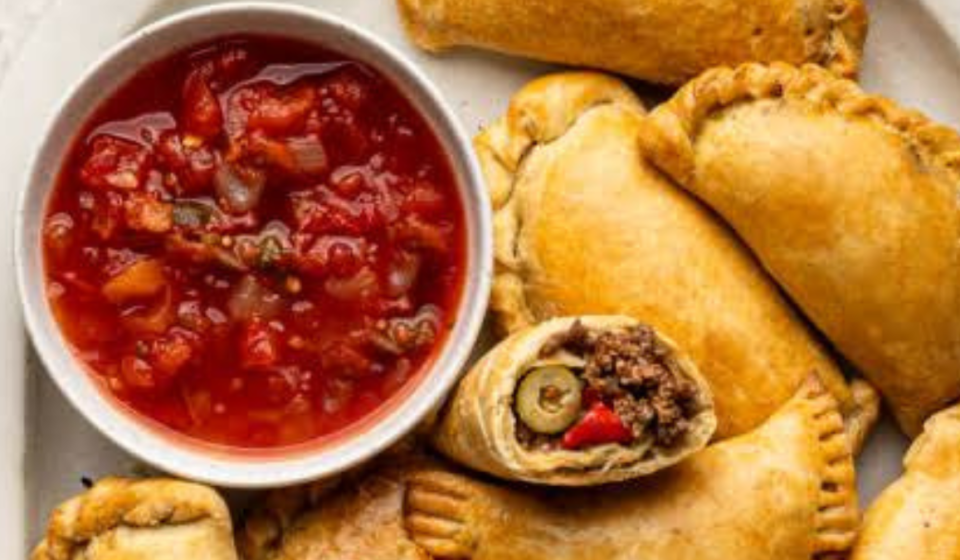

empanadas are one of those foods that can turn a simple meal into something memorable. With a golden crust wrapped around a flavorful filling, they’re easy to enjoy, simple to share, and flexible enough to suit many tastes. Depending on the country and local tradition, empanadas can be baked or fried and filled with meat, chicken, cheese, vegetables, seafood, or even sweet ingredients.
What makes empanadas especially interesting is their variety. The basic idea is simple: dough surrounds a filling, and the edges are sealed before cooking. Yet this simple method has produced countless regional styles across Latin America, Spain, the Caribbean, and other parts of the world.
Whether you’re discovering them for the first time, looking for a homemade recipe, or simply curious about their history and different varieties, this guide explains what makes empanadas so special.
What Are empanadas?
At their heart, empanadas are filled pastries made by placing a savory or sweet filling inside a piece of dough and folding it over. The edges are then pressed or crimped to keep the filling safely inside during cooking.
The word is closely related to the Spanish verb empanar, which refers to enclosing food in bread or dough. Over time, the idea developed into many different regional dishes. Today, the term empanadas can describe pastries that look quite different depending on where they are made.
Some are small enough to eat in a few bites, while others are large and served as part of a complete meal. Some have thin, crisp shells, while others have thicker and softer dough. The filling may be strongly seasoned or surprisingly mild.
In other words, there isn’t one single recipe that defines empanadas. Instead, the name represents a broad family of filled pastries with deep culinary traditions.
The History Behind empanadas
The history of empanadas is connected to the long culinary traditions of Spain and the Iberian Peninsula. Filled pastries were practical because dough could protect food and make it easier to carry. This made them useful for travelers, workers, and families looking for convenient meals.
As Spanish cooking traditions spread around the world, filled pastries developed in new places. Local cooks adapted the concept using ingredients that were easily available in their own regions. That’s one reason today’s empanadas can vary so much from country to country.
The evolution didn’t stop there. Migration also helped spread different versions of the dish. Families carried recipes with them, changed them over generations, and created new combinations.
This history explains an important feature of empanadas: they aren’t tied to just one culture or one kitchen. They’re a food shaped by movement, adaptation, family traditions, and local ingredients.
Why empanadas Are So Popular
There are plenty of reasons empanadas have become popular around the world. First, they’re convenient. A properly sealed pastry can hold a flavorful filling without requiring a plate and complicated serving method.
They’re also highly customizable. If someone prefers beef, there’s a version for that. If another person likes chicken, cheese, vegetables, or seafood, those options work too.
Another major advantage is their size. Small empanadas are perfect for snacks, parties, lunches, and gatherings. Larger versions can be served as a main meal with a salad, vegetables, soup, or another side dish.
Here are some reasons people enjoy them:
- They’re easy to hold and eat.
- They can contain many different fillings.
- They work as snacks or complete meals.
- They can be baked or fried.
- They can be prepared ahead of time.
- They’re excellent for sharing.
- Sweet versions can work as desserts.
- Regional recipes offer different flavors and textures.
That versatility has helped empanadas move far beyond their traditional origins.
Popular Types of empanadas
One of the best things about empanadas is discovering how different versions compare. Each region has its own ingredients, cooking methods, and seasoning preferences.
Argentine empanadas
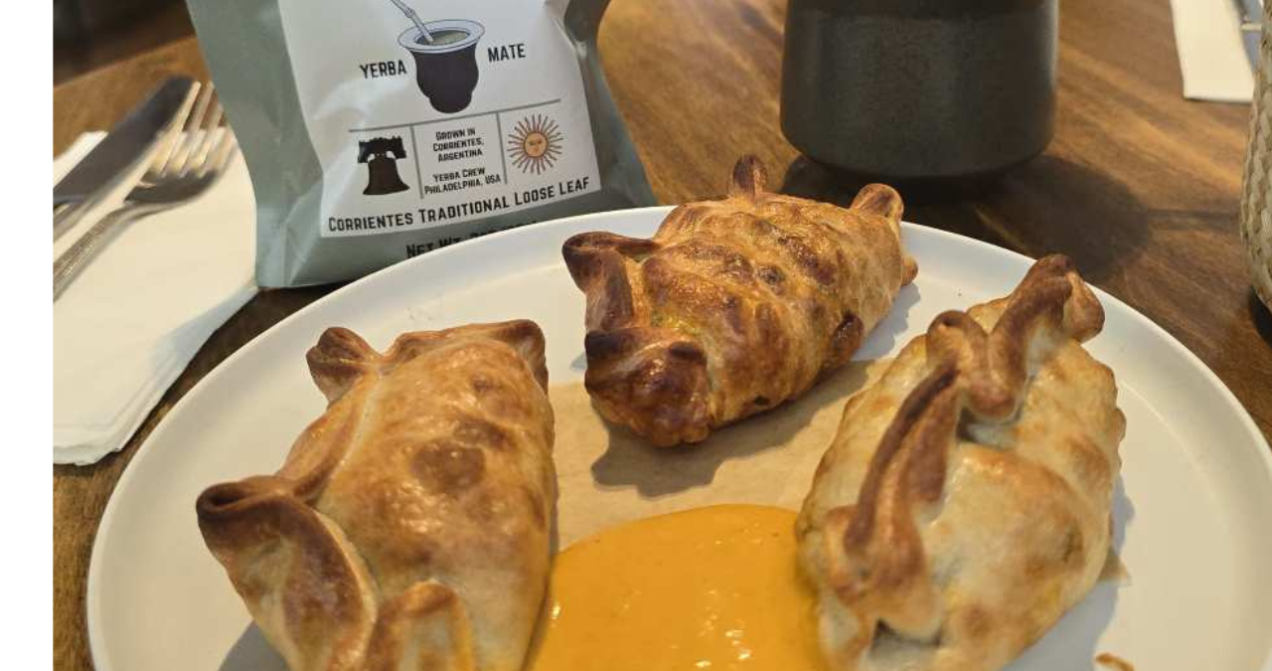
Argentine empanadas are especially well known. They commonly feature fillings such as seasoned beef, chicken, ham and cheese, spinach, or other combinations.
The dough is often folded into a half-moon shape, with the edge carefully sealed. The style of the crimp can sometimes give clues about the filling, although traditions vary between families and regions.
Some Argentine varieties are baked, while others are fried. The filling may include onions, peppers, olives, eggs, or spices, depending on the recipe.
Chilean empanadas
Chilean empanadas are another famous variety. One classic style contains beef, onions, and other ingredients that create a rich and satisfying filling.
Chilean versions can be noticeably larger than some snack-sized varieties. They’re often enjoyed as a substantial meal rather than a quick bite.
Colombian empanadas
Colombian empanadas often have a distinctive texture because their dough can be made with corn rather than traditional wheat flour. This gives the shell a crisp exterior and a slightly different flavor.
Common fillings include meat, potatoes, chicken, and other savory combinations. They’re frequently fried, creating a crunchy outside that contrasts beautifully with the warm filling.
Venezuelan empanadas
Venezuelan empanadas are commonly made with corn-based dough and fried until crisp. Fillings can include cheese, beef, chicken, fish, or other ingredients.
Their crunchy exterior makes them particularly appealing as breakfast foods, snacks, or casual meals.
Spanish empanadas
Spanish empanadas can look quite different from the smaller Latin American varieties. In some regions, they may be made as large baked pastries that are sliced and served.
Fillings can include tuna, peppers, tomatoes, meat, or other ingredients. Galicia is particularly associated with a well-known tradition of large baked empanadas.
This variety shows just how broad the word empanadas can be.
Common Fillings Used in empanadas
The filling is where much of the personality of empanadas comes from. A good filling should be flavorful without being too wet, because excess liquid can make the dough difficult to seal.
Beef
Beef is one of the most common choices. It can be cooked with onions, peppers, spices, herbs, olives, eggs, or other ingredients.
Ground beef is convenient because it distributes evenly throughout the pastry. Slow-cooked beef can also create an especially rich filling.
Chicken
Chicken empanadas are often lighter than beef versions but can still be full of flavor. Shredded chicken works particularly well because it mixes easily with vegetables, cheese, herbs, and sauces.
Cheese
Cheese is another favorite. It melts during cooking and creates a warm, creamy center.
Some recipes use cheese alone, while others combine it with ham, spinach, corn, peppers, or meat.
Vegetables
Vegetable fillings are a great option for people who prefer meat-free foods. Potatoes, spinach, mushrooms, corn, peppers, onions, and other vegetables can all work well.
The key is to avoid adding too much moisture. Vegetables should generally be cooked and cooled before being placed inside the dough.
Seafood
In coastal areas, seafood can become a natural choice. Fish, shrimp, and other seafood can create distinctive fillings when combined with herbs, vegetables, and mild spices.
Sweet fillings
Not all empanadas are savory. Sweet versions can contain fruit, chocolate, dulce de leche, pumpkin, sweet cheese, or other dessert ingredients.
They’re especially enjoyable with coffee or tea.
The Dough Makes a Big Difference
A filling may be delicious, but the dough plays an equally important role. It needs to be strong enough to hold the ingredients while still producing an enjoyable texture after cooking.
Traditional dough recipes vary. Some use wheat flour, while others use corn flour or other grains. Fat, butter, shortening, or oil may also be included to influence texture.
A good dough should generally be:
- Flexible enough to fold without cracking
- Strong enough to contain the filling
- Thin enough to cook evenly
- Thick enough to avoid tearing
- Properly sealed around the edges
When making empanadas at home, dough temperature and moisture matter. Dough that’s too dry can crack, while dough that’s too wet can become difficult to handle.
A little patience goes a long way.
Baked vs. Fried empanadas
The cooking method can completely change the eating experience.
Baked empanadas
Baking usually produces a firm, golden exterior without the deep crispness associated with frying. They’re often easier to prepare in larger batches because several can be cooked together on a baking tray.
Before baking, the surface may be brushed with egg wash. This can help create an attractive golden finish.
Fried empanadas
Fried empanadas typically have a crisp and crunchy exterior. The hot oil quickly cooks the dough and creates a texture that’s hard to resist.
However, frying requires more attention. The oil needs to be at a suitable temperature, and the pastries should be sealed properly to prevent filling from escaping.
Neither method is automatically better. It depends on the style you’re making and the texture you prefer.
How to Make empanadas at Home
Making empanadas at home can seem difficult at first, but the basic process is straightforward.
Prepare the filling
Start by cooking your chosen filling. If you’re using meat, make sure it’s thoroughly cooked. Add vegetables, herbs, and seasonings according to the recipe.
Most importantly, allow the filling to cool before assembling the pastries. A very hot filling can soften the dough and make sealing difficult.
Prepare the dough
Roll the dough until it reaches a suitable thickness. It shouldn’t be paper-thin, but it shouldn’t be so thick that the pastry becomes heavy.
Cut the dough into circles using a suitable cutter or small bowl.
Add the filling
Place a moderate amount of filling in the center of each dough circle.
Don’t overfill. It’s tempting to add more because the filling looks delicious, but too much can cause the pastry to burst.
Fold and seal
Fold the dough over the filling to form a half-moon shape. Press the edges firmly together.
You can use a fork to create a simple seal or learn traditional folding techniques.
Cook
Bake or fry according to your recipe. If baking, an egg wash can give the pastries a beautiful golden appearance.
If frying, cook until crisp and properly browned, then drain on a suitable surface.
A Simple Ingredient Guide for empanadas
| Component | Common Choices | Purpose |
|---|---|---|
| Dough | Wheat flour, corn flour | Creates the outer shell |
| Protein | Beef, chicken, fish | Adds richness and substance |
| Cheese | Mozzarella, mild cheese, regional cheeses | Adds creaminess |
| Vegetables | Onion, potato, peppers, spinach | Adds flavor and texture |
| Seasoning | Herbs, pepper, spices | Builds flavor |
| Cooking method | Baking or frying | Creates the final texture |
| Sweet filling | Fruit, chocolate, dulce de leche | Creates dessert versions |
This flexibility is one reason empanadas remain useful for so many different occasions.
How to Make Better empanadas
A few practical techniques can make a major difference.
Don’t overfill the pastry. A smaller amount of filling is easier to seal and less likely to leak.
Cool the filling first. Warm filling can soften the dough and make the edges difficult to close.
Remove excess moisture. A watery filling can make the pastry soggy and weak.
Seal carefully. Press the edges firmly before cooking.
Keep the dough covered. Uncovered dough can dry out while you’re preparing the remaining pieces.
Avoid overcrowding. Whether baking or frying, give the pastries enough space for even cooking.
Let cooked empanadas rest briefly. They’re often extremely hot inside immediately after cooking.
These simple habits can turn homemade empanadas from good to genuinely impressive.
How empanadas Are Served
Serving styles vary widely. Some empanadas are eaten alone, while others are accompanied by sauces and side dishes.
Popular additions can include:
- Fresh salsa
- Tomato-based sauces
- Spicy sauces
- Herb sauces
- Avocado-based dips
- Sour cream
- Fresh salads
- Pickled vegetables
The right sauce depends on the filling. A spicy sauce can add excitement to a mild cheese filling, while a fresh herb sauce can balance a rich meat pastry.
For parties, small empanadas can be arranged on a large serving plate. Offering several fillings makes the meal more interesting because guests can try different varieties.
empanadas as Street Food
In many places, empanadas are strongly connected with casual dining and street food culture. They’re convenient for people who want something filling without sitting down for a long meal.
Street vendors and small food shops can offer their own versions, often using recipes that have been passed down through families.
The experience can be part of the appeal. Freshly cooked empanadas, served warm with a flavorful sauce, can provide a simple but memorable meal.
This also explains why local versions often have strong regional identities. A recipe may reflect the ingredients, history, and preferences of the community where it is made.
empanadas for Parties and Gatherings
Planning food for a gathering can be challenging, especially when guests have different preferences. empanadas solve part of that problem because several fillings can be prepared at once.
For example, a party menu could include:
- Beef-filled pastries
- Chicken-filled pastries
- Cheese-filled pastries
- Vegetable-filled pastries
- Sweet pastries for dessert
Making smaller versions is especially useful for gatherings. Guests can take one or two without needing a full plate.
Another benefit is preparation flexibility. Depending on the recipe, you can prepare the filling and dough ahead of time and assemble them later.
That’s a real advantage when you’re hosting.
Nutritional Considerations
The nutritional value of empanadas depends heavily on the ingredients and cooking method.
A pastry filled with lean protein and vegetables can provide useful nutrients, while one containing a large amount of cheese and fried dough will generally be more energy-dense.
Baking rather than frying can also change the overall nutritional profile.
For a balanced meal, consider serving empanadas alongside:
- A fresh green salad
- Roasted vegetables
- Fresh fruit
- Bean-based dishes
- A light vegetable soup
Portion size matters too. There’s no need to treat empanadas as something that must be avoided. Like many foods, they can fit into a varied diet when enjoyed thoughtfully.
How to Store and Reheat empanadas
Proper storage helps maintain quality and food safety.
Cooked empanadas should be cooled appropriately and stored in the refrigerator if they’re not going to be eaten soon. For longer storage, they can often be frozen.
When reheating, an oven or air fryer can help restore some of the crisp texture. Microwaving is quick, but it may leave the crust softer.
For frozen uncooked pastries, follow the recipe’s recommended cooking method and make sure the filling reaches a safe temperature.
Always handle meat, poultry, and seafood fillings carefully. Clean preparation surfaces, proper refrigeration, and thorough cooking are essential.
Common Mistakes When Making empanadas
Even experienced home cooks can run into problems. Fortunately, most mistakes are easy to understand and prevent.
Using too much filling
More isn’t always better. Overfilled pastries are harder to close and may burst during cooking.
Making the dough too thin
Very thin dough can tear during assembly. It may also fail to hold heavier fillings.
Leaving filling too wet
Excess liquid can weaken the pastry and produce a soggy texture.
Poor sealing
If the edges aren’t sealed firmly, the filling may escape during cooking.
Cooking at the wrong temperature
Oil that’s too cool can create greasy fried pastries. Oil that’s too hot can brown the outside before the inside is properly heated.
Working too slowly with uncovered dough
Dough can dry out while sitting exposed. Keep unused pieces covered as you work.
Avoiding these mistakes will make your empanadas easier to prepare and more consistent.
Regional Identity and Family Recipes
Perhaps the most beautiful thing about empanadas is that they’re more than food. In many families, recipes are connected with memories, celebrations, holidays, and gatherings.
A grandmother might prepare a particular filling in a certain way. Another family may use a special folding pattern. Someone else might insist that a particular spice is essential.
There isn’t necessarily one “correct” recipe.
Food traditions naturally change. People move to new countries, discover new ingredients, and adapt old recipes to modern kitchens. That’s how empanadas continue to evolve while still maintaining a connection with their past.
Why empanadas Work So Well in Modern Food Culture
Modern food culture values convenience, variety, and customization, and empanadas offer all three.
They can be prepared in traditional ways or adapted to modern preferences. Restaurants can create gourmet fillings, while home cooks can use leftovers creatively.
For example, leftover roasted chicken can become a filling. Cooked vegetables can be combined with cheese. A small amount of leftover beef can be transformed into a completely different meal.
This makes empanadas practical as well as delicious.
They also fit well into food businesses. A shop can offer multiple fillings, allowing customers to choose according to taste.
Frequently Asked Questions About empanadas
Are empanadas always filled with meat?
No. Meat is common, but empanadas can also contain cheese, vegetables, seafood, beans, or sweet ingredients.
Are empanadas always fried?
Not at all. Many varieties are baked. The cooking method depends on the regional tradition and the recipe.
Can empanadas be vegetarian?
Yes. Vegetable and cheese fillings are excellent options for vegetarian empanadas.
Can empanadas be sweet?
Yes. Sweet versions can include fruit, chocolate, dulce de leche, or other dessert fillings.
Why does my empanada open while cooking?
The pastry may be overfilled, the dough may be too wet or dry, or the edges may not have been sealed firmly enough.
Can I freeze empanadas?
Many empanadas freeze well. Both cooked and uncooked versions can be frozen depending on the recipe and filling.
What makes a good empanada?
A good empanada has a well-cooked crust, a flavorful filling, balanced seasoning, and a secure seal.
Final Thoughts on empanadas
empanadas have earned their place as one of the world’s most versatile filled pastries. Their appeal comes from a simple but powerful combination: flavorful filling, carefully prepared dough, and a cooking method that creates a satisfying texture.
From small street-food snacks to family meals and party dishes, empanadas can fit almost any occasion. Their regional variations also provide a fascinating look at how food changes across cultures while keeping its basic identity.
For beginners, they’re a fun cooking project. For experienced cooks, they’re an opportunity to experiment with fillings, doughs, sauces, and presentation. And for food lovers, trying different regional versions can be a delicious way to explore culinary traditions.
Whether you prefer them baked or fried, savory or sweet, traditional or creative, empanadas offer something for almost everyone. With the right ingredients, careful preparation, and a little patience, homemade empanadas can become a favorite addition to your kitchen